
Diagnostic Assessment
A camera view of the pelvic organs can help investigate symptoms and identify conditions such as endometriosis.
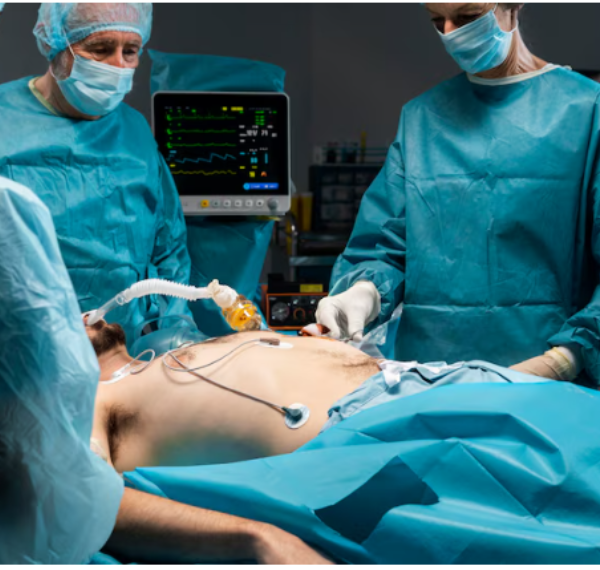
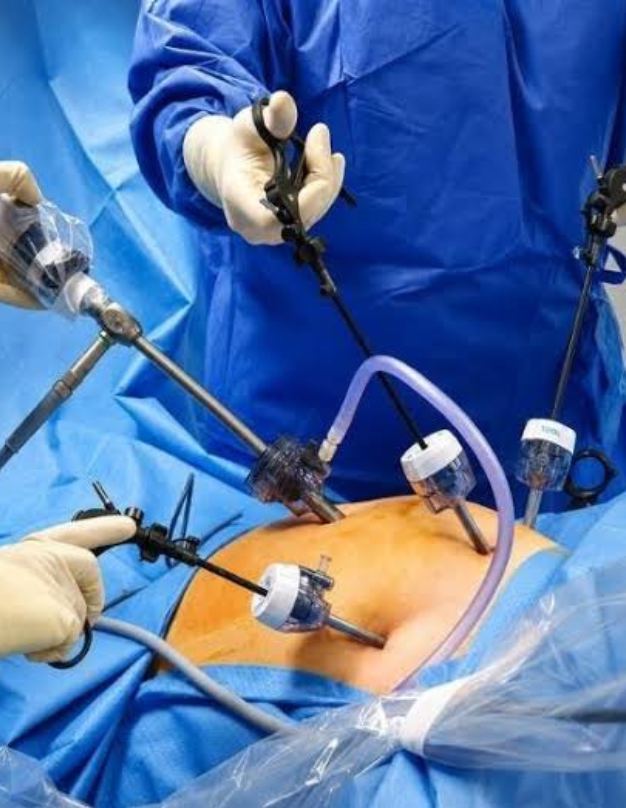
Gynecological laparoscopy is a keyhole procedure performed under general anaesthesia, using a camera through small abdominal incisions to examine the pelvic organs and treat selected conditions when appropriate. Consult Dr. Sreesti Jaiswal to discuss your symptoms, assessment and suitable care options.
 -->
-->
 -->
-->
Laparoscopy is a keyhole operation that uses a camera through small abdominal incisions to examine the organs inside the abdomen and pelvis.
In gynecology, it can help investigate pelvic symptoms and treat selected conditions when appropriate. During your consultation with Dr. Sreesti Jaiswal in East of Kailash, New Delhi, discuss your symptoms, reports and whether laparoscopy is suitable. The planned procedure, anaesthesia, benefits, risks and alternatives should be explained before you decide.
A camera view of the pelvic organs can help investigate symptoms and identify conditions such as endometriosis.
Some conditions, such as fibroids or an ectopic pregnancy, may be treated laparoscopically when clinically appropriate.
Laparoscopy is performed under general anaesthesia, with observation and pain relief after the operation.
Recovery depends on the procedure performed. Follow your team's wound-care, activity and follow-up advice.
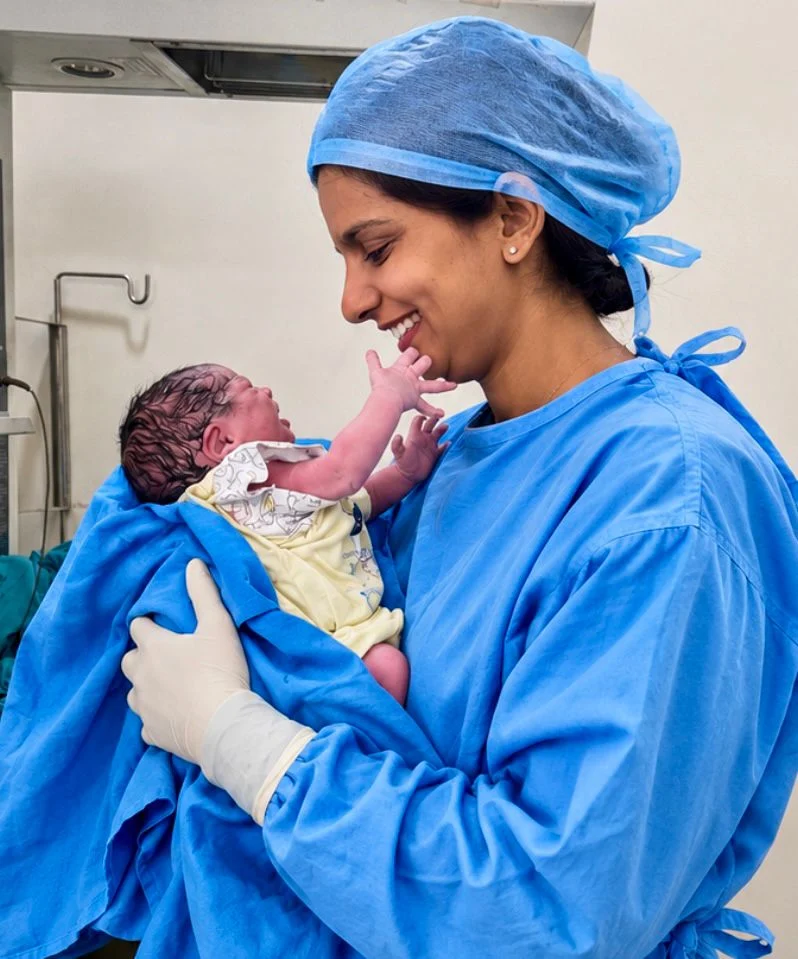
Discuss laparoscopy with Dr. Sreesti Jaiswal in East of Kailash, New Delhi, with attention to your symptoms, medical history and individual questions about surgery, preparation and recovery.
Bring your symptoms, medical history and previous reports to discuss whether laparoscopy is appropriate for your individual needs.
Discuss why laparoscopy may be recommended, its benefits, risks and alternatives, including whether it is for diagnosis or treatment, before making a decision.
Discuss general anaesthesia, your medicines and any previous surgery. Confirm fasting instructions and hospital arrangements with your team.
Ask about wound care, activity, pain relief and symptoms needing medical attention. Discuss the findings and confirm your follow-up plan with the treating team.