
Clear Diagnosis
A thorough evaluation helps identify the underlying cause, so effort isn't spent on approaches unlikely to help.
Compassionate, evidence-based infertility evaluation and treatment by Dr. Sreesti Jaiswal, helping couples understand their options and take the next step towards parenthood with confidence.


Infertility treatment is a structured, medically guided approach to help couples who are unable to conceive naturally after regular, unprotected attempts over a period of time.
Treatment begins with a thorough evaluation of both partners to identify possible causes, followed by a plan tailored to individual needs. Options may range from lifestyle guidance and ovulation tracking to medication, minor procedures or assisted reproductive techniques, depending on what is medically appropriate.
Thorough evaluation Detailed assessment of both partners to understand the underlying cause.
Tailored treatment plans Options selected to match each couple's specific diagnosis and needs.
Ongoing guidance Ovulation tracking, lifestyle advice and ongoing support through the process.
Advanced options when needed Access to assisted reproductive techniques when medically indicated.
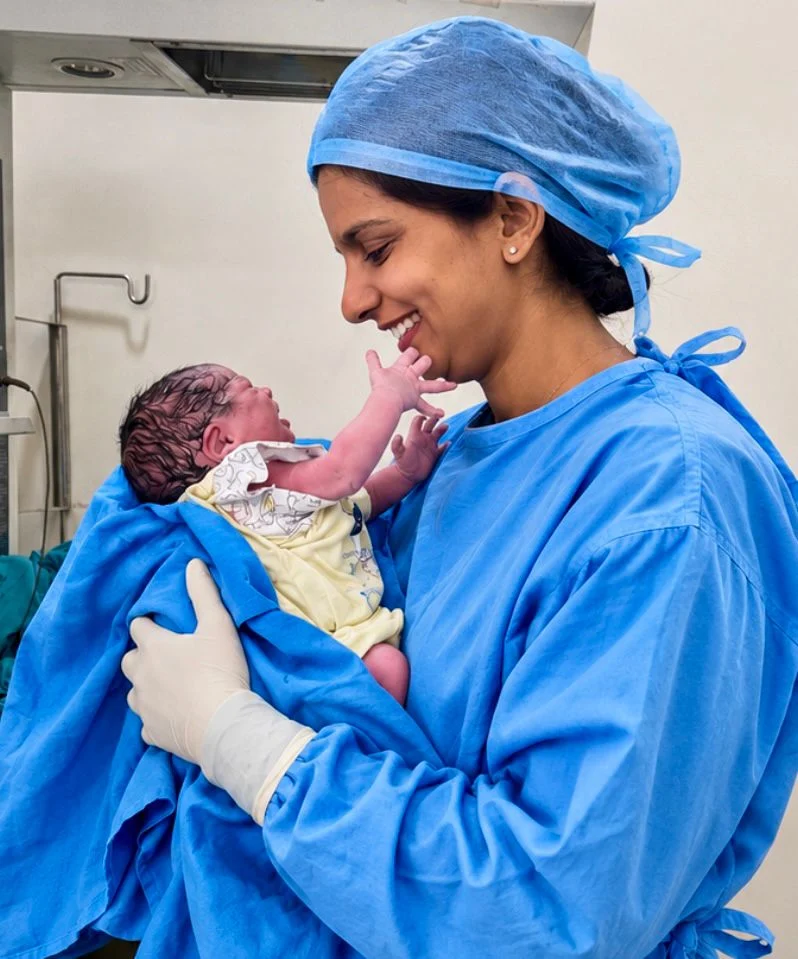
Fertility challenges rarely have a single cause, so evaluation covers ovulation, hormone levels, semen parameters and uterine health before any treatment is suggested — nothing is assumed without a reason.
Semen analysis, hormonal blood tests, ultrasound scans and tubal patency checks are used together to pinpoint the actual cause, instead of guessing.
Conditions like PCOS, endometriosis or thyroid imbalance that commonly affect fertility are managed with dedicated protocols, not a generic treatment.
Ovulation induction and timed intercourse are tried first where suitable, moving to IUI and then IVF only when the earlier step hasn't worked.
Realistic chances of success, expected costs and timelines for each option are discussed upfront, so decisions are never made in the dark.