Laparoscopy Care · East of Kailash

Laparoscopyin East of Kailash

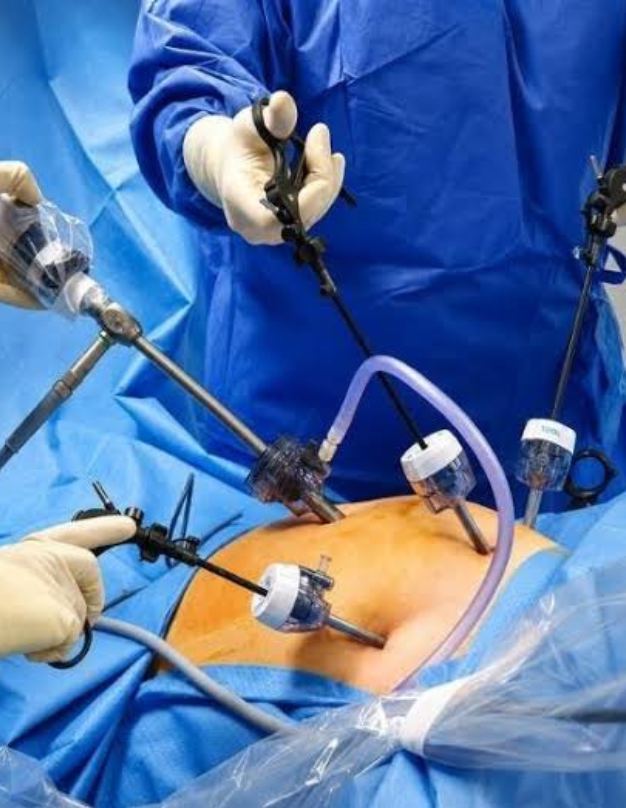
Gynecological laparoscopy is a keyhole procedure performed under general anaesthesia, using a camera through small abdominal incisions to examine the pelvic organs and treat selected conditions when appropriate. Consult Dr. Sreesti Jaiswal to discuss your symptoms, assessment and suitable care options.
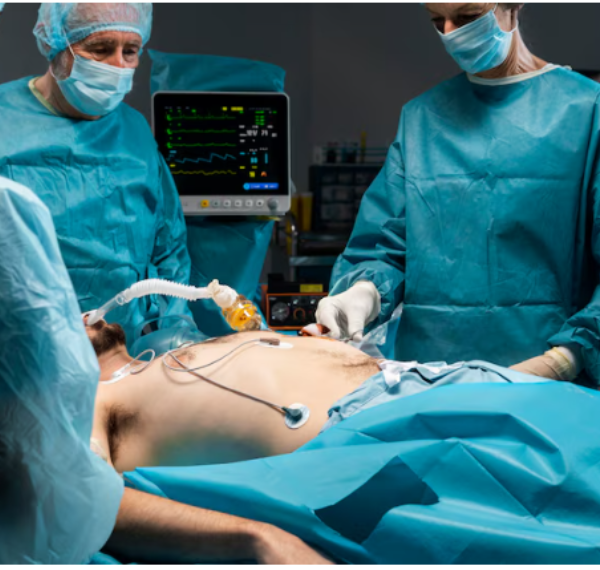
EvaluationAssessment of the pelvic organs
TreatmentFor selected gynecological conditions
AftercareRecovery guidance and follow-up
Laparoscopy care and consultation -->
Laparoscopy consultation and pelvic health assessment -->
Laparoscopy / Clinic Photo Add your WordPress Media Library image here
UNDERSTANDING LAPAROSCOPY

What Is a
Laparoscopy?

Laparoscopy is a keyhole operation that uses a camera through small abdominal incisions to examine the organs inside the abdomen and pelvis.

In gynecology, it can help investigate pelvic symptoms and treat selected conditions when appropriate. During your consultation with Dr. Sreesti Jaiswal in East of Kailash, New Delhi, discuss your symptoms, reports and whether laparoscopy is suitable. The planned procedure, anaesthesia, benefits, risks and alternatives should be explained before you decide.

01

Diagnostic Assessment

A camera view of the pelvic organs can help investigate symptoms and identify conditions such as endometriosis.

02

Selected Treatments

Some conditions, such as fibroids or an ectopic pregnancy, may be treated laparoscopically when clinically appropriate.

03

Anaesthesia & Care

Laparoscopy is performed under general anaesthesia, with observation and pain relief after the operation.

04

Recovery & Follow-up

Recovery depends on the procedure performed. Follow your team's wound-care, activity and follow-up advice.
POSSIBLE BENEFITS

Why Laparoscopy
May Be Recommended

Diagnosis

A camera provides a view of the pelvic organs, helping investigate selected symptoms and identify conditions such as endometriosis when clinically appropriate.

Incisions

The keyhole approach uses small abdominal cuts rather than a larger open incision. Occasionally, a larger incision is needed for safety.

Treatment

Selected gynecological conditions may be treated laparoscopically when suitable. The planned treatment, alternatives and risks should be discussed and agreed beforehand.

Recovery

Recovery may be quicker than after open surgery. The time needed depends on the procedure performed, your health and any complications.

Dr. Sreesti Jaiswal, Gynecologist and Obstetrician
WHY CHOOSE US

Laparoscopy Care
Built Around You

Discuss laparoscopy with Dr. Sreesti Jaiswal in East of Kailash, New Delhi, with attention to your symptoms, medical history and individual questions about surgery, preparation and recovery.

Individual Assessment

Bring your symptoms, medical history and previous reports to discuss whether laparoscopy is appropriate for your individual needs.

Clear & Informed Choices

Discuss why laparoscopy may be recommended, its benefits, risks and alternatives, including whether it is for diagnosis or treatment, before making a decision.

Preparation & Anaesthesia

Discuss general anaesthesia, your medicines and any previous surgery. Confirm fasting instructions and hospital arrangements with your team.

Recovery & Follow-up

Ask about wound care, activity, pain relief and symptoms needing medical attention. Discuss the findings and confirm your follow-up plan with the treating team.

BEFORE YOUR LAPAROSCOPY

Simple Ways to Feel
More Prepared for Your Laparoscopy

Use your consultation with Dr. Sreesti Jaiswal in East of Kailash to discuss your questions and preparation needs. Follow your treating team's preparation instructions for the planned procedure.

Discuss Your Assessment

Share your reports, allergies, medicines and previous surgery details. Discuss anaesthesia questions and any possibility of pregnancy.

Confirm Your Instructions

Confirm exactly when to stop eating and drinking before anaesthesia. Ask which medicines to take or pause; do not change them yourself.

Pack Your Essentials

Bring reports, identification, your medicine list and comfortable clothes. Check whether the hospital needs any additional items.

Plan Practical Support

Arrange someone to take you home after the operation; do not drive yourself. Confirm the support you will need at home during recovery.

Follow your individual instructions

Do not change medicines or start fasting based on this checklist alone. Confirm your personalised preparation plan, arrival time and contact details with the treating team.

Book Consultation