
Diagnostic Assessment
Examines the uterine cavity to help investigate symptoms such as unusual bleeding.
Hysteroscopy uses a thin camera passed through the cervix to examine the inside of the uterus. It can help investigate abnormal bleeding and, when appropriate, treat certain uterine conditions. Consult Dr. Sreesti Jaiswal to discuss your symptoms, assessment and suitable care options.
 -->
-->
 -->
-->
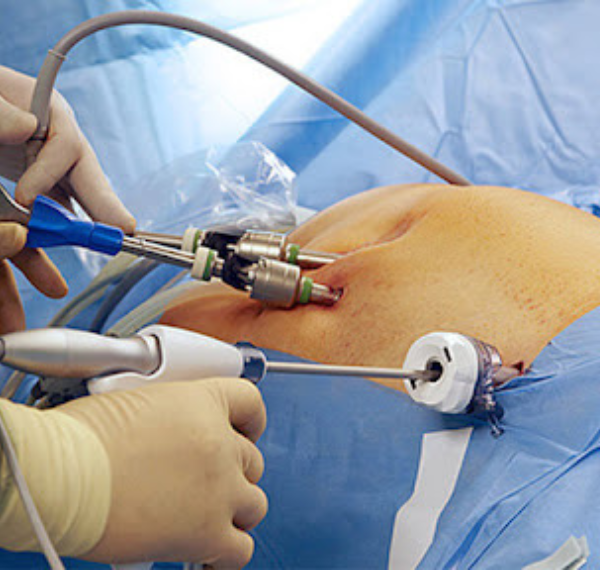
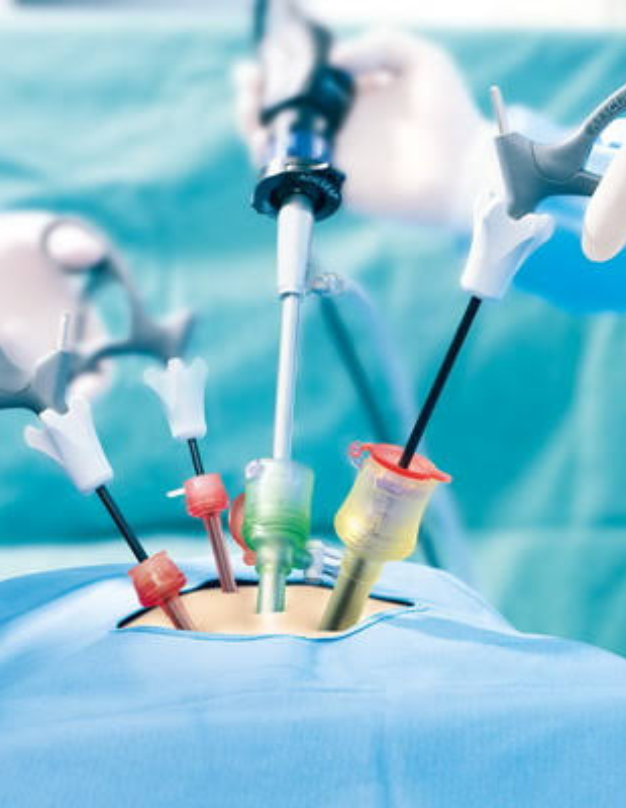
Hysteroscopy is a procedure that uses a thin instrument with a camera to examine the inside of the uterus through the vagina and cervix.
It can help investigate abnormal bleeding and identify changes inside the womb. During your consultation with Dr. Sreesti Jaiswal in East of Kailash, New Delhi, discuss your symptoms, reports and whether hysteroscopy is suitable. A tissue sample or treatment may be considered when needed, after discussing benefits, risks and pain-relief options.
Examines the uterine cavity to help investigate symptoms such as unusual bleeding.
A small tissue sample may be collected for laboratory testing when needed.
Some polyps or fibroids may be removed when appropriate and agreed beforehand.
Discuss aftercare, test results and the next steps with your treating team.
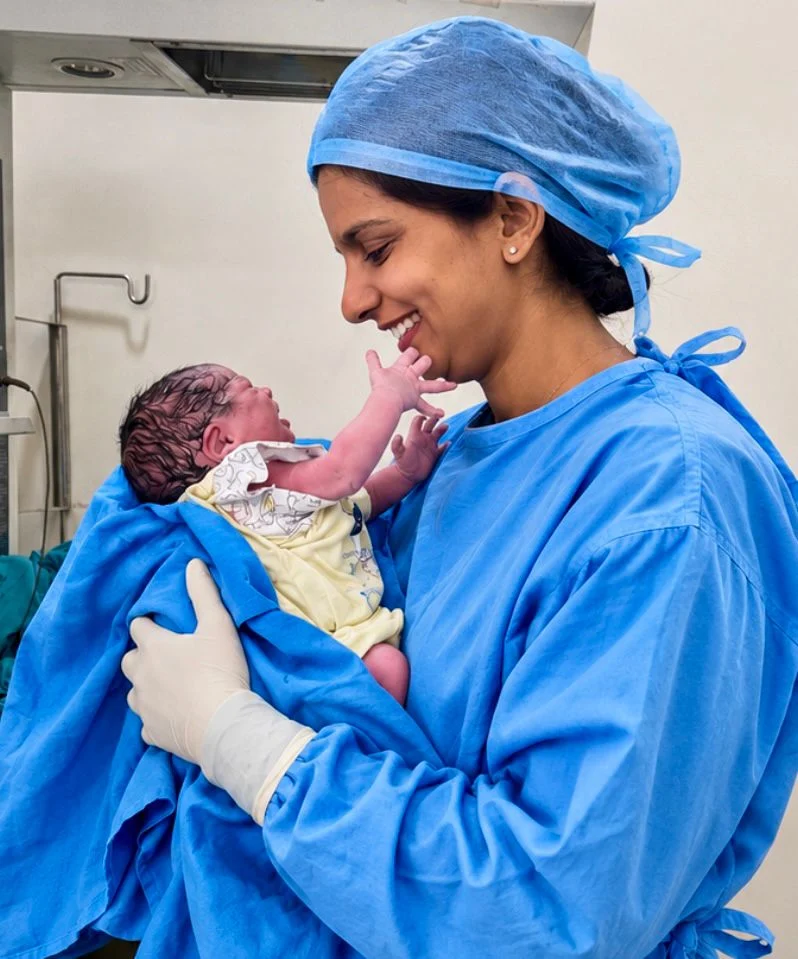
Discuss hysteroscopy with Dr. Sreesti Jaiswal in East of Kailash, New Delhi, with attention to your symptoms, medical history and individual questions about the procedure, comfort and recovery.
Bring your symptoms, medical history and previous reports to discuss whether hysteroscopy is appropriate for your individual needs.
Discuss why hysteroscopy may be recommended, its benefits, risks and alternatives, including any proposed biopsy or treatment, before making a decision.
Share concerns about discomfort or previous examinations. Ask about pain-relief options, preparation and the planned procedure setting.
Ask about aftercare, symptoms needing medical attention and when findings or biopsy results will be available. Confirm your follow-up plan with the treating team.